Provisional statistics indicate that both England and Wales have recorded their driest July in 190 years. Several regions across England recorded less than 1mm of rainfall during the entire month, culminating in many areas being placed into drought status. For Northern Ireland, July 2026 is set to be the eighth driest July on record. For Scotland, however, it has been a rather different story. While rainfall has generally been below the long-term average, conditions have not been as dry as they have been in the south.
In terms of temperatures and sunshine, it is no surprise to hear that both have been well above normal across most regions. England and Wales have equalled or surpassed their warmest July on record in terms of mean temperatures, while Northern Ireland recorded its third warmest July. Although Scotland was cooler, the UK as a whole experienced its second warmest July on record. It was also a sunnier-than-average month away from the far east and northeast of Scotland, with many places recording one of their sunniest Julys on record.
As we head into the final month of meteorological summer, the questions many people across the south and east are asking relate to rainfall and temperatures: namely, when is it going to rain and when is it going to cool down? Some fresher air has temporarily moved south this weekend but temperatures are set to rise again at the start of the week with southeastern regions seeing values back into the low thirties before turning cooler later in the week.
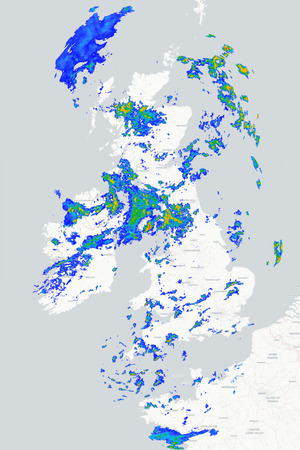
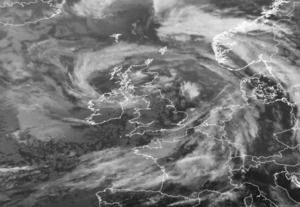
Much of the coming week will be influenced by low pressure rather than high pressure. Despite this, most of the rain and showers will be confined to the north and west of the country, with the south and east largely relying on catching the odd shower. For many, that means the wait for any meaningful rainfall goes on.
METEOROLOGIST : BARBER
|



 As forecast today was showery, the showers being squally , not too heavy and passing throu...
 Good evening guys, Conditions here at the moment is dry with clearer skies, just seeing th...
 Gosh - it's raining 'Datsun Cogs' at the moment but shouldn't last that long as the front ...