ECMWF Upgrades IncomingAdded : Wednesday at 10:15 In the next couple of weeks you will see a couple of new models on the site in the form of the upgraded ECMWF ► IFS model and also the AI version called the AIFS.
The IFS goes from version 49r1 to 50r1 and the AIFS will go from version 1 to version 2. The new IFS version will also incorporate some GPU processing, but the model will remain a physics package.
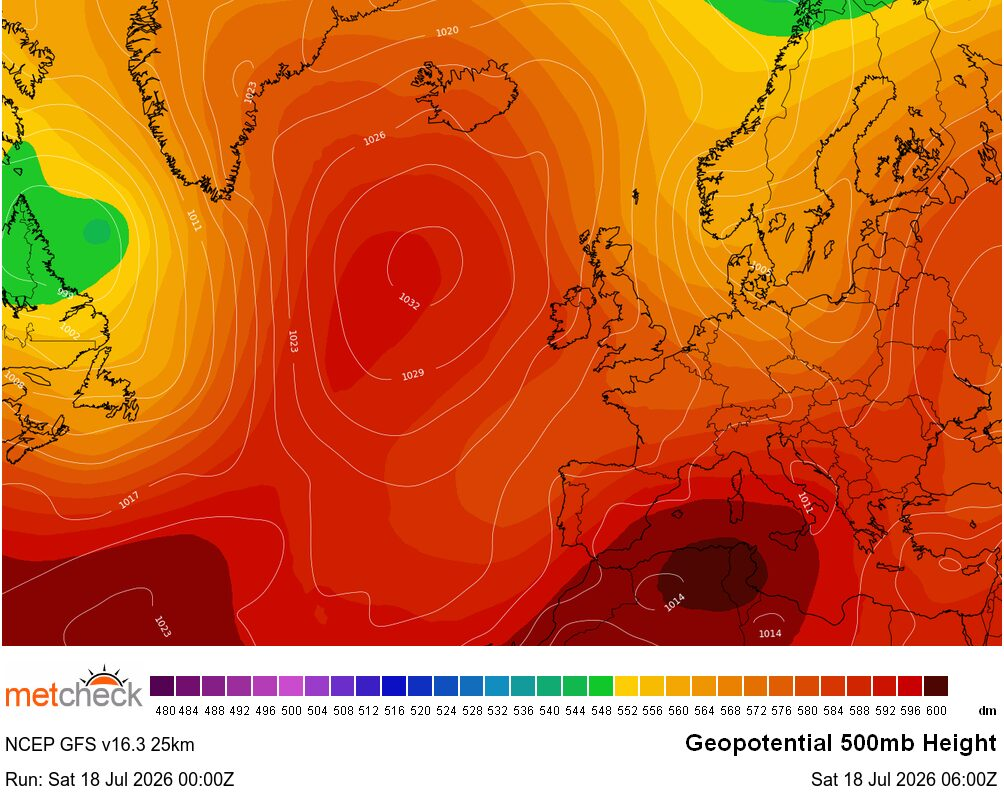
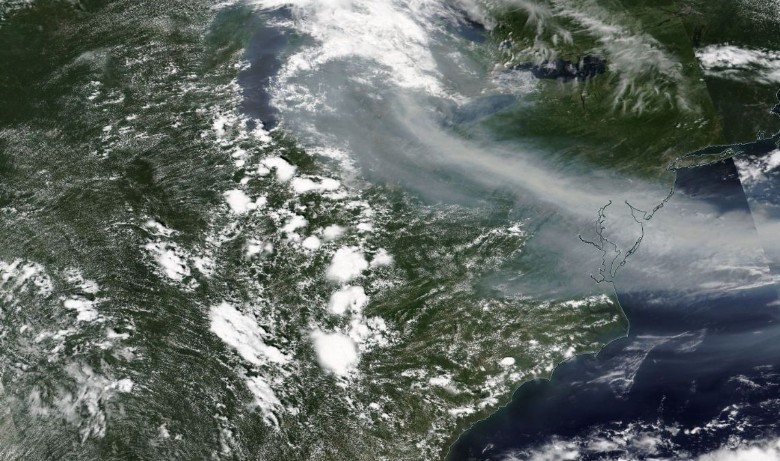
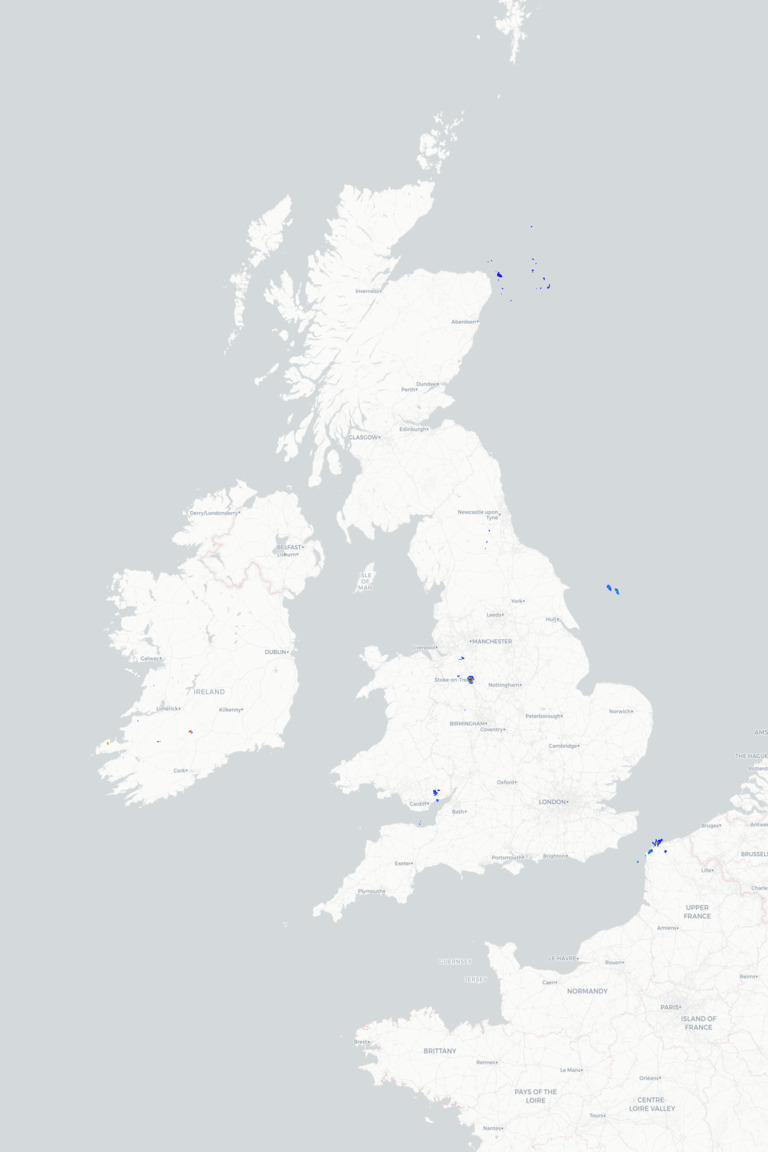
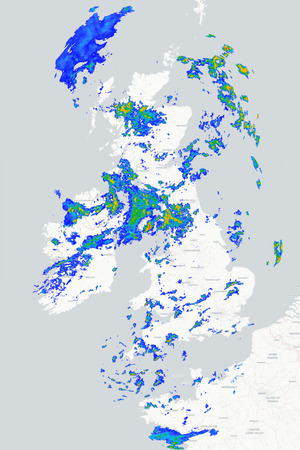
But, this leads with the question of where AI models will go eventually. All the main forecast agencies like NCEP, ECMWF, DWD and CMC now have their own AI weather models, here is the GFS ► AI :-
![]()
Here is the ECMWF ► AI :-
![]()
And here is the CMC AI model :-
![]()
The AI models have shown their worth in the industry with regards to the computational resources required. We now have AI models producing accurate forecasts out to 10 days ahead at a fraction of the computational speed of the main physics based models.
So, why not just bin the physics models and switch to AI instead? The reason is down to their limitation. This was highlighted with Storm Goretti in January this year where the physics based models showed Goretti deepening rapidly as it moved North, the AI models didn't. The reason for this can be explained by research into "Gray Swan Events" where AI weather models were trained with weather data which removed all hurricanes and tropical storms above category three.
The models were run with this training data, but they struggled to develop any systems beyond category three. This isn't unusual, after all, if a model has never seen something before, then why would it even think it was possible?
"Grey swan" weather events are extreme weather events which are physically possible but have never been observed.
As a result, it's unlikely physics based weather models will ever be completely replaced, certainly not in the next few years. Instead, we are likely to see a more hybrid version, in particular with ensembles and the HGEFS is a good example :-
![]()
This is a merged model with 30 physical ensembles and 50 AI ensembles which create an "average" which is then fed back into the main physical model.
Then again, we may just carry on using AI to create humourous images of melaphants... who knows?
METEOROLOGIST : MARSH | 


 The morning was cloudy but remained dry and the sun broke through in the early afternoon t...
 another "GLORIOUS" loud effect summers day
a fresher component from beginni...
another "GLORIOUS" loud effect summers day
a fresher component from beginni... Good evening guys, we had another high temp of 31.4�C for a few hours. Conditions here at...