Summer Bows OutAdded : Sunday at 12:15 An extraordinary summer draws to a close having delivered record-breaking heat, sunshine and drought but Tuesday (September 1st) marks the start of meteorological autumn and the beginning of a very different time of year.
Summer 2026 is on course to become the hottest on record across the UK, potentially surpassing the record set only last year. Repeated spells of exceptionally hot weather have seen temperatures reach 38°C on more than one occasion while temperatures of 30°C or higher have become an almost routine feature at times across central and southern parts of England and Wales.
But it hasn't just been the heat which has made this summer remarkable. Prolonged periods of high pressure have brought exceptional amounts of sunshine and very little rainfall to many areas. July was particularly extraordinary, becoming the driest July on record across both England and Wales, while it was also the sunniest July on record for the UK.
The result has been increasingly dry ground, stressed vegetation, low river and reservoir levels and drought conditions across parts of the country. However, during the past couple of weeks there have already been signs that the atmosphere is beginning to change.
The relentless heat has eased and Atlantic weather systems have started to make greater inroads, bringing some much-needed rain. Although this has been welcome, a few wet days cannot compensate for the substantial rainfall deficits which have accumulated through the spring and summer.
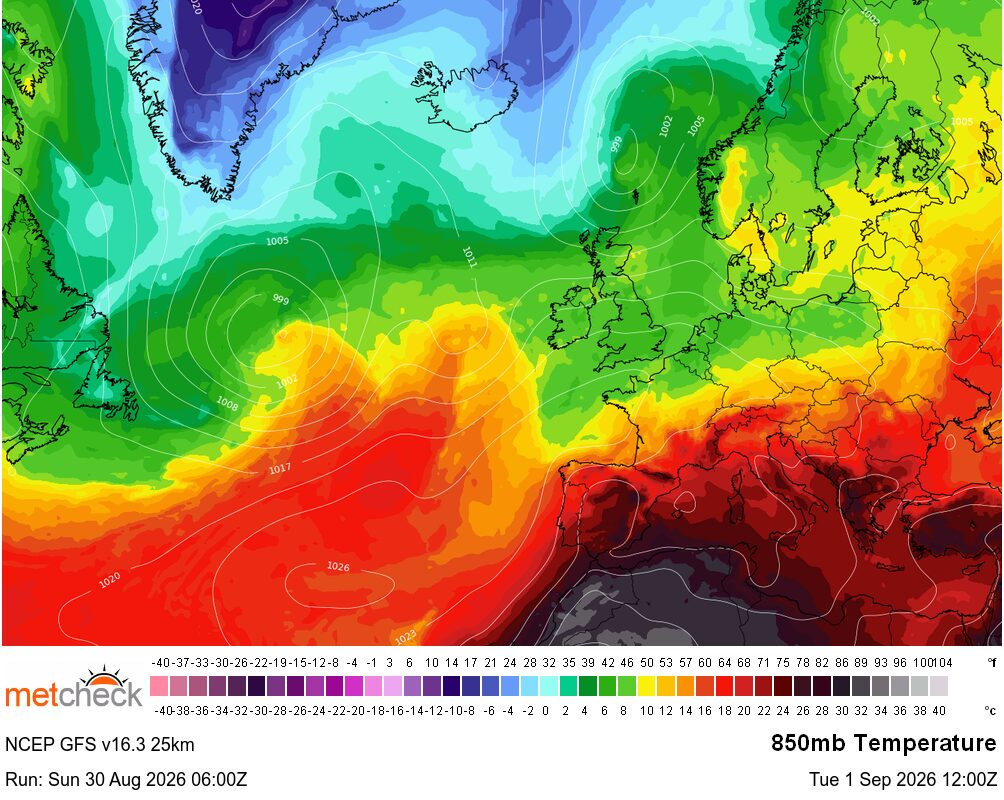
Meteorological autumn covers September, October and November. Of course, the atmosphere doesn't suddenly flick a switch at midnight on August 31st and September can still produce some very warm, occasionally hot, weather. Indeed, even through this week the heat continues across much of southern Europe :-
![]()
![]()
![]()
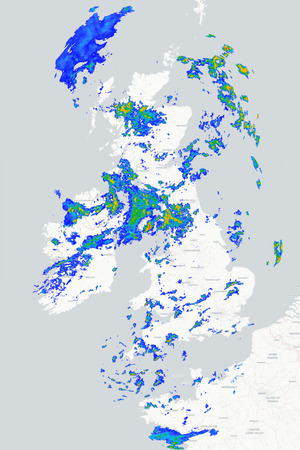
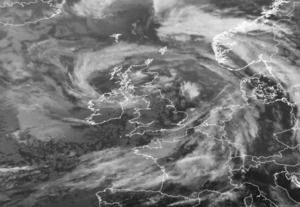
For our part of the world, there will still be some drier, brighter and warmer conditions at times, but you can already see how the balance between summer and autumn is beginning to shift with a cooler, more mobile pattern in place although it will be the north and west that see the worst of the unsettled conditons.
Meanwhile, the days are shortening quickly, the strength of the sun is declining and the nights are becoming longer. At the same time, the Atlantic traditionally begins to awaken from its summer slumber as the temperature contrast between the increasingly cold Arctic and the still-warm subtropics starts to strengthen.
It's not necessarily a quick process, so while September 1st might mark the official beginning of meteorological autumn, don't expect summer to disappear overnight. There will almost certainly still be some warmer spells to come, but as we head deeper into September those unmistakable signs of autumn will become increasingly difficult to ignore.
METEOROLOGIST : BARBER |